
If you’re trying to decide between a drugstore mold test kit and calling in a professional, here’s the short version: DIY kits can tell you that mold spores are present in a room, but they can’t tell you where the growth is hiding, how extensive it is, or what’s feeding it. A professional inspection uses moisture meters, thermal imaging, and lab-analyzed air or surface samples to answer those questions. If you just want peace of mind after noticing a musty smell, a kit might be a reasonable first step. If you have visible staining, a known water history, or someone in the house with respiratory symptoms, skip the kit and get an inspection.
What a DIY Mold Test Kit Actually Tells You
Most home kits work one of two ways: a petri dish you leave open for an hour to catch airborne spores, or a swab you wipe across a surface. After a few days, you’ll see colonies grow, which confirms mold is present. That’s about where the usefulness ends.
Here’s the problem. Mold spores exist in every indoor environment, including healthy homes. A petri dish test doesn’t tell you whether the spore count is elevated compared to outdoor air, which is the actual benchmark labs use to determine if there’s a real problem. It also can’t identify the species without being sent to a lab, and most store kits don’t include that step. So you end up with a dish full of fuzzy growth and no real answer about whether your air quality is actually compromised, or where the source is.
Surface swab kits have a narrower but more honest use: if you already see a suspicious stain on drywall or grout and want to confirm it’s mold before deciding to cut into the wall, a swab can give you a quick yes or no.
How a Professional Mold Inspection Differs
A professional inspection starts with a visual walkthrough, but the real value is in the tools. A moisture meter checks drywall, subfloor, and framing for elevated moisture readings that your eyes can’t detect, which matters because mold almost always traces back to a moisture source, not just “humid air.” Infrared thermal imaging can spot temperature differences in a wall cavity that suggest trapped water behind an otherwise dry-looking surface.
When air or surface samples are collected, they’re sent to an independent lab for analysis under a microscope, which identifies the specific mold genus and compares indoor spore counts to a baseline outdoor sample taken the same day. That comparison is what actually tells you if there’s an indoor problem, not just the presence of spores, which, again, is normal everywhere.
An inspector also traces the likely cause: a slow slab leak, a roof flashing failure, condensation on a cold water line in a crawlspace, or poor bathroom ventilation. In San Diego’s older housing stock, especially homes built before the 1980s with original cast iron or galvanized plumbing, hidden slab leaks are a common trigger for mold that shows up along baseboards or under flooring long before anyone notices a wet spot on the surface.
When a Kit Is Enough, and When It Isn’t
A DIY kit is a reasonable starting point if:
- You noticed a faint musty smell but see no staining, warping, or past water damage
- You want a quick sanity check before deciding whether an issue is worth pursuing further
- There’s no history of flooding, leaks, or a recent remediation you’re trying to verify
Skip the kit and call a professional if:
- You can see visible mold growth larger than roughly a square foot
- The home had a flood, burst pipe, or roof leak in the past year, even if it seemed to dry out
- Someone in the household has new or worsening respiratory symptoms, allergies, or asthma flare-ups tied to time spent indoors
- You’re buying or selling a home and need documentation a lender or buyer will accept
- You’ve already tried cleaning visible mold and it keeps coming back
That last point matters. Surface cleaning with bleach or a commercial mold spray often kills what you can see while leaving the colony intact underneath a painted surface or inside a wall cavity. If it keeps returning in the same spot, the moisture source hasn’t been addressed, and no amount of retesting with a kit will fix that.
What NOT to Do
Don’t rely on a kit result alone to clear a home for sale or rule out a health concern. A clean reading from a single petri dish doesn’t rule out growth in a crawlspace, attic, or inside a wall cavity where the kit was never placed.
Don’t disturb visible mold before testing if you’re planning to have it sampled professionally. Scrubbing, bleaching, or painting over a suspected area can kill the surface spores an inspector needs to sample, which sometimes forces a less reliable air test instead of a direct surface reading.
Don’t ignore the source. Treating mold without fixing the moisture problem behind it, whether that’s a leaking supply line, poor grading outside the foundation, or a bathroom fan that’s never used, means the growth will likely return within weeks or months.
When to Call a Professional
If a kit test comes back positive, if you see mold covering more than a small patch, or if you’re dealing with a musty odor you can’t pin to a visible source, a professional mold inspection and testing service is the next step. An inspector can confirm whether what you’re smelling is active growth, identify where it’s coming from, and give you lab-backed documentation rather than a guess.
If testing confirms a problem that needs to be addressed, mold remediation follows a structured process: containing the affected area to stop spores from spreading to the rest of the home, removing materials that can’t be cleaned (like water-damaged drywall or insulation), HEPA-filtered air scrubbing, and a final clearance test to confirm the space is back within normal range. That process generally follows the IICRC S520 standard for mold remediation work, which outlines containment, removal, and clearance benchmarks regardless of who performs the job.
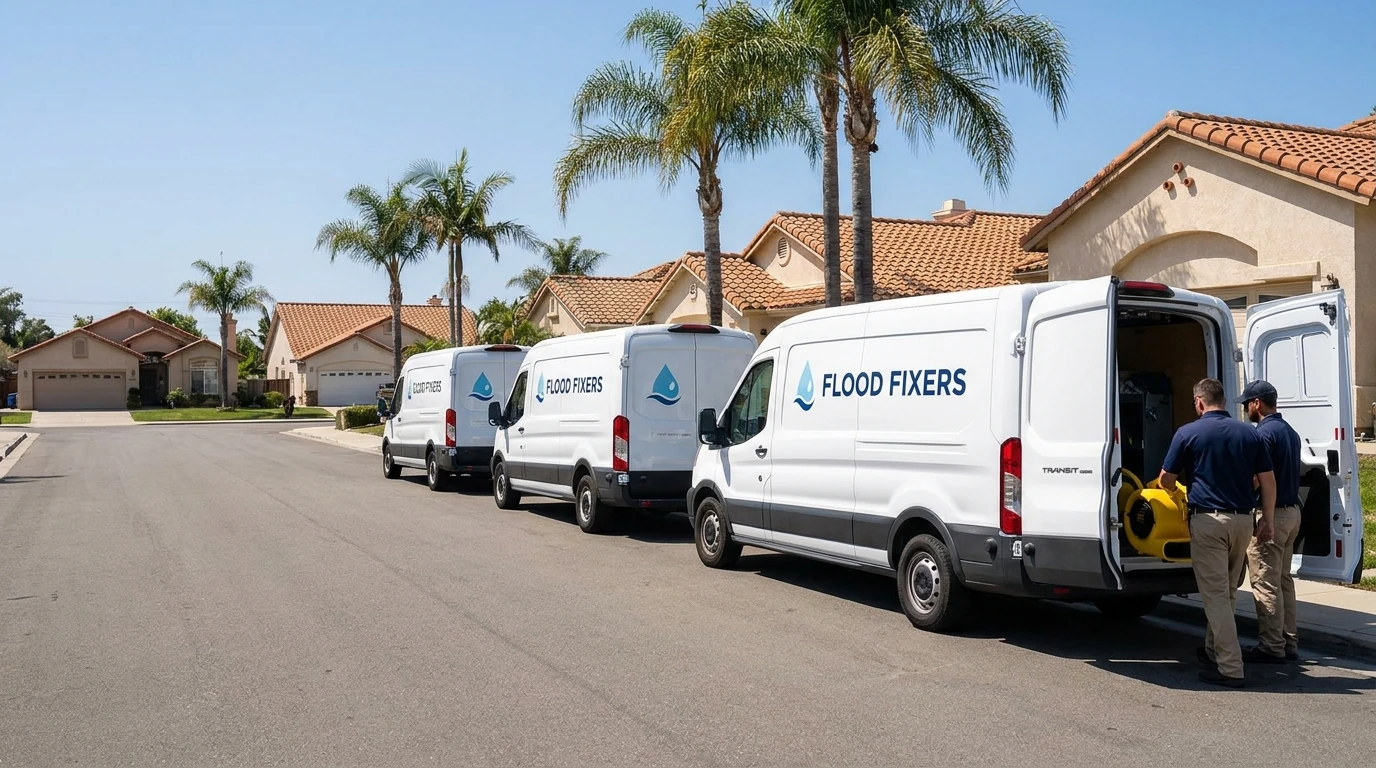
Flood Fixers offers mold inspection and testing for San Diego homeowners who want a clear answer instead of a guess, along with remediation if testing confirms a problem. Call (855) 204-1124 to schedule an inspection or ask questions about a specific situation in your home.